Salil Desai, CA
Salil joins Marcellus from Premji Invest, India’s largest family office by assets
under management, where he spent 6 years as a senior member of the team.
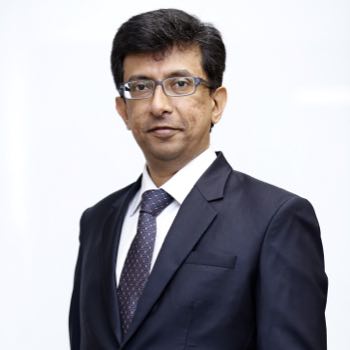
Salil joins Marcellus from Premji Invest, India’s largest family office by assets under management, where he spent 6 years as a senior member of the team that managed ~US$2bn in listed equities. Prior to that, Salil worked for IDFC Securities, a prominent equity brokerage in Mumbai, where he came to be known as one of India’s leading analysts for core economy sectors. Over a career spanning 12 years in equities, he has tracked multiple sectors, including industrials, infrastructure, utilities, insurance, cement, metals and logistics.
Qualifications: Salil is a Chartered Accountant and a Post Graduate Diploma in Business Management from NMIMS, Mumbai. He completed his graduation in Commerce from Mumbai University
Articles by team Marcellus
NEWSLETTER
READ MORE
Marcellus Portfolio Updates & Insights - September 2026
marcellus.in From Our CIO’s Desk How Does Kings of Capital Beat the Benchmark with Boring, Well-Managed Companies? Over the past 1, 2, and 3-year trailing periods, our financial services strategy—the Kings of Capital Portfolio (KCP)—has outperformed its benchmark. Our investment process avoids chasing short-term market momentum, focusing instead on well-managed businesses that allocate capital […]
READ MORE
NEWSLETTER
READ MORE
Marcellus Portfolio Updates & Insights - August 2026
From Our CIO’s Desk Is Quality Investing Making a Comeback in India? Over the last five years (FY21–25), high-quality businesses—companies with clean accounting, strong management, and high returns on capital—lagged the broader market. The reason was simple: a post-COVID surge in household “revenge spending” and government infrastructure capex created a rising tide that lifted […]
READ MORE
BLOG
READ MORE
What Enduring Companies Do in a Crisis
Good companies don’t become great by avoiding crises. They become great by how they handle them. We found this as a common trait across all the five companies featured in our new book, “The Art of Enduring”. This is the story of how Tata Elxsi and Divi’s turned their worst moments into turning points. If […]
READ MORE
Also featured in


Demystifying the Security of Clients' Monies in PMS & Mutual Funds
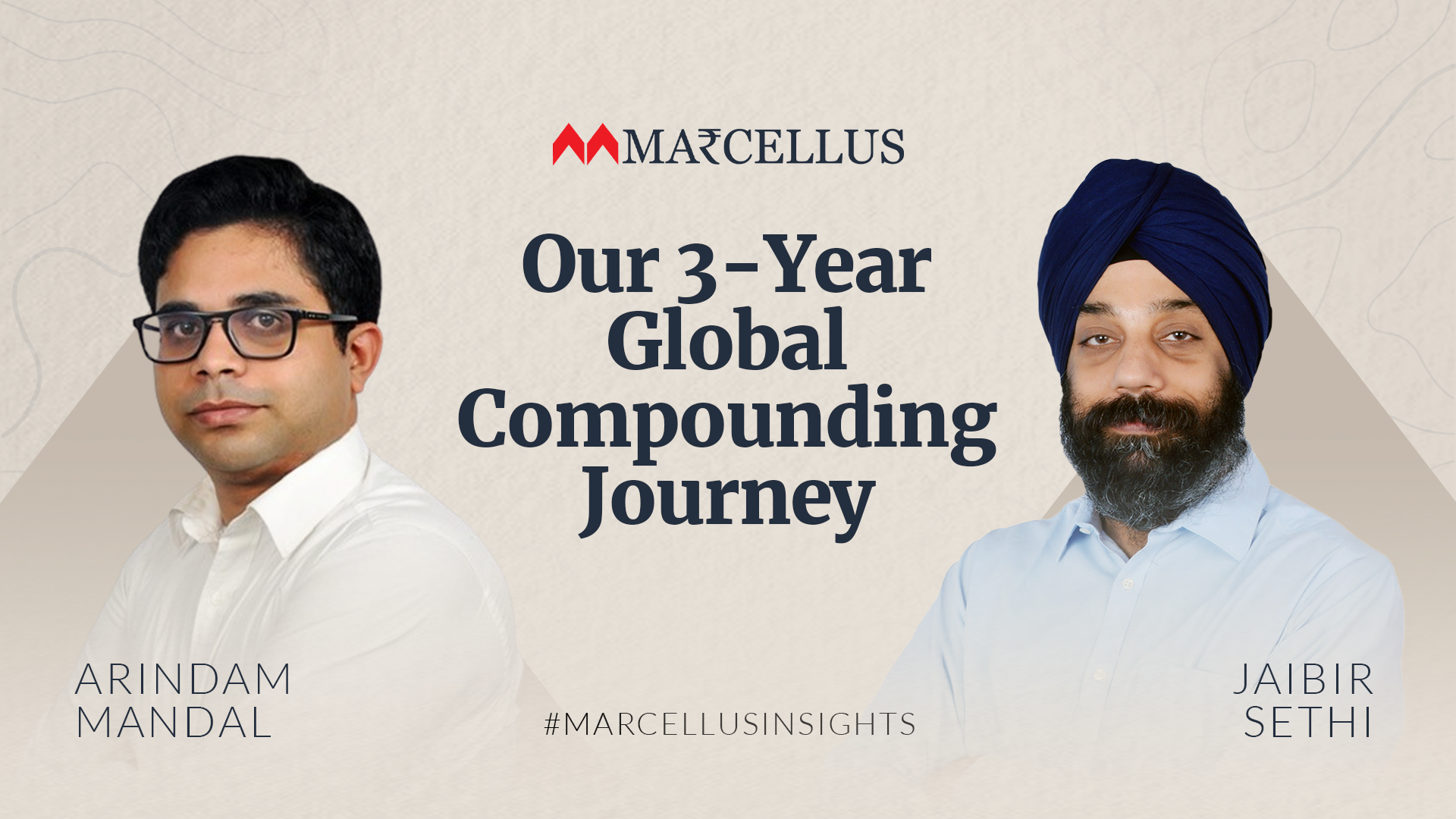
The Global Compounders: AI, Valuations, and the Road Ahead

SMID on the Mend: A Deep Dive into our Little Champs & Rising Giants' Revival